



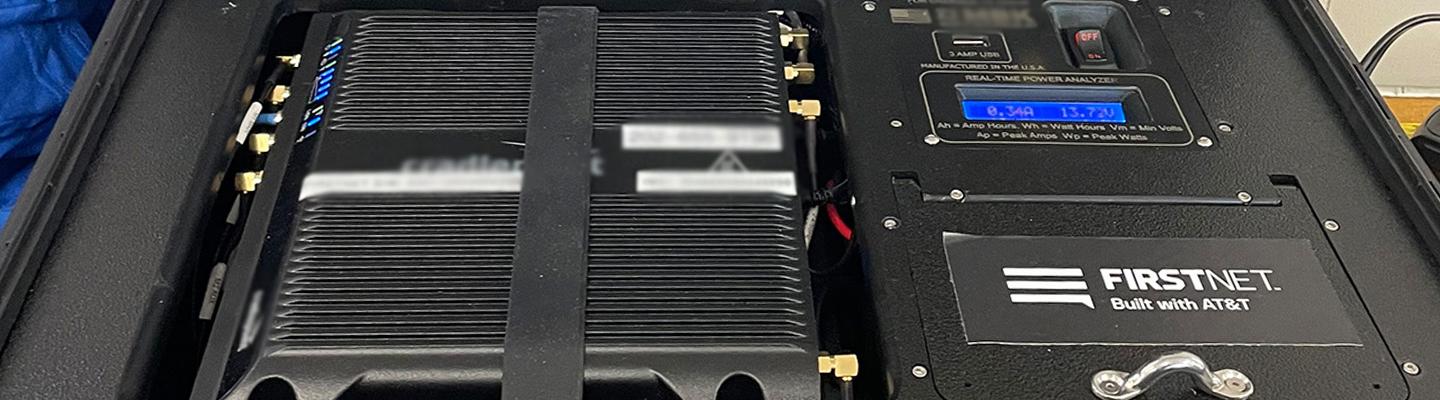
Today’s firefighters must maintain connectivity, whether the mission takes them into remote wilderness areas or dense urban buildings. These places can be at the edges of where networks reach. By boosting signal strength, high-power user equipment on FirstNet helps firefighters stay connected wherever the call takes them.
Blog

Progress on Release 18 features continues at June 3GPP Plenary meetings; Release 19 remains on track
3rd Generation Partnership Project (3GPP) Plenary meetings held in June 2023 focused on the feature progress for Release 18, including the completion of the architecture (stage 2) and the development of protocol work (stage 3). The meetings also included two workshops on Release 19 feature planning. This session marked the 100th set of 3GPP Plenary meetings.
The National Council of Statewide Interoperability Coordinators (NCSWIC) is comprised of state leaders from the 56 states and territories who work to advance communications resiliency and interoperability for emergency response providers across the nation. Through its participation on the Public Safety Advisory Committee, the NCSWIC has helped make FirstNet more accessible to responders while also improving their ability to collaborate and exchange information more efficiently.

In this second blog of a two-part series, Executive Director and CEO Joe Wassel offers his insights on his first 100 days at the FirstNet Authority. After immersing himself in public safety engagement, contract oversight, and program management efforts, Joe shares his insights on the importance of these critical functions to the success of FirstNet.

In this first blog of a two-part series, Executive Director and CEO Joe Wassel reflects on his first 100 days at the FirstNet Authority. Following a coast-to-coast tour where he met with first responders, he shares his thoughts, insights, and vision for the future of public safety communications.